
Place
Nevşehir Museum
The museum in the city center that explains the historical context of Cappadocia with its archeology and ethnography collections.
Collecting history in a showcase
Nevşehir Museum brings together archaeological findings and ethnographic works from the region. After seeing churches in open-air museums, this place helps to understand the context of the finds and objects of daily life. It's an ideal indoor excursion on a rainy day or when escaping the midday heat.
The visit lasts 45–90 minutes. Nevsehir centerIt is located in; It can be planned on the same day as bus terminal and city services. Check current museum card/discount conditions.
What to expect?
- Archaeological exhibitions and period narratives
- Ethnographic clothing, tools and life culture
- Educational, short-paced trip for kids
- Complementary relationship with Göreme open air museum
Practical
Follow photo rules; Flash is prohibited in some display cases. The quiet tour pace is respectful of other visitors. In summer, the air-conditioned space is refreshing. There may be early closing in winter.
For the first time, it is not mandatory in the 2-day plan; High value on a 4+ day or history focused trip. Hacıbektaş–Gülşehir can also be connected to the western day.
Conclusion
Nevşehir Museum makes the history behind the fairy chimney photographs visible.
Deepening your visit to Ihlara
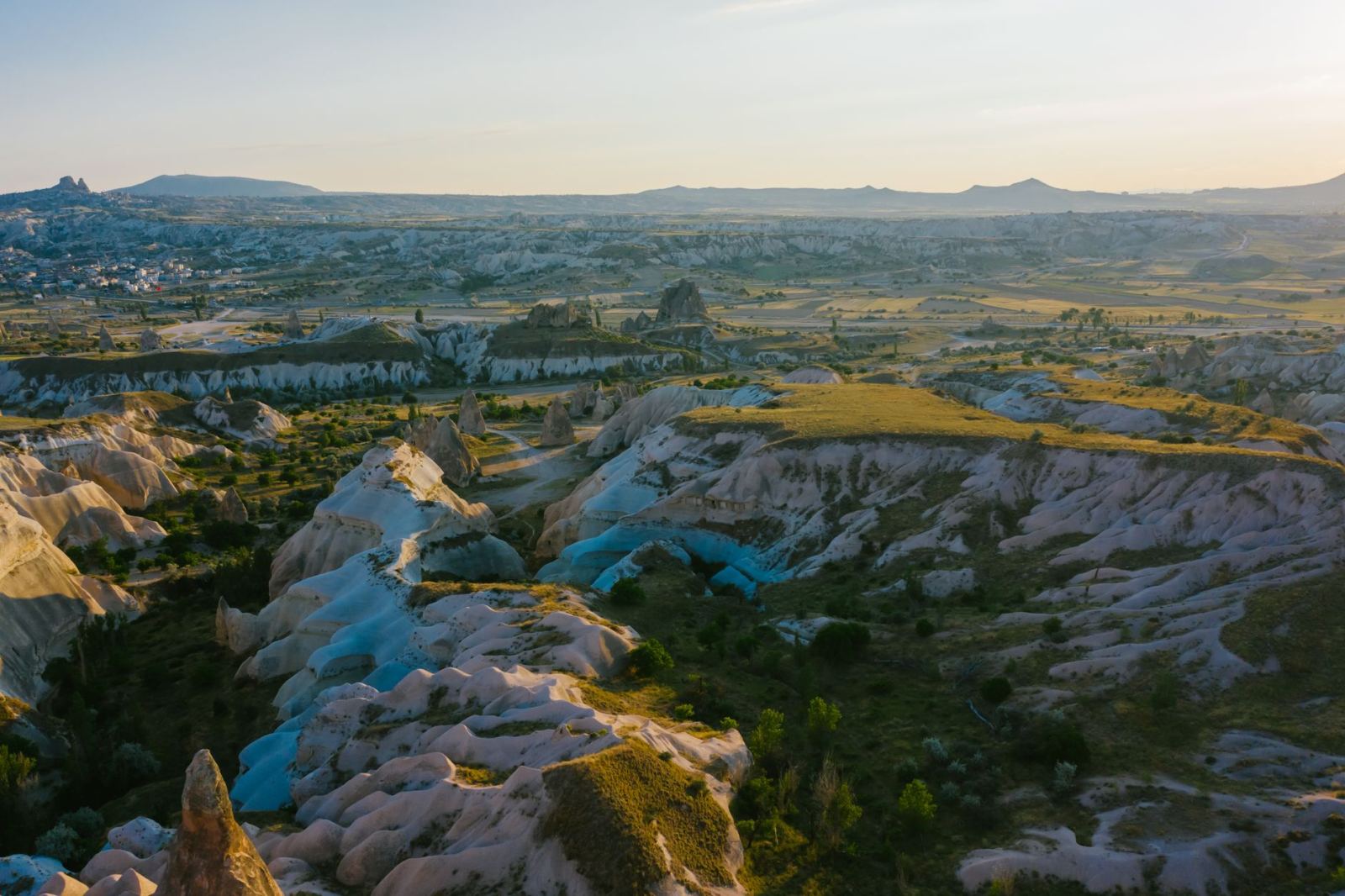
Ihlara makes one of the geological and cultural layers of Cappadocia visible. The softness of volcanic tuff made centuries of carved architecture possible; Erosion has produced fairy chimney and valley silhouettes. While visiting this point, not only "taking photos" but also asking why the rock is in this form and how people use this place enriches the experience. Guided narration or a good preliminary reading opens the language of stones.
Your practical preparation list should include comfortable shoes, water, a hat, sunscreen and, if necessary, a light coat. In summer, the surface is scorching, underground and inside the rocks are cool; In winter, it is cold outside and the ground may be slippery. Ticket queues get longer during the tour buses' lunch break; Opening time or evening is generally quieter. Check museum card, combined ticket or current tariff changes from official sources.
In terms of time management, Ihlara's hasty "look for 15 minutes and go" approach will make most visitors regret it. Digesting the main points, taking breaks, and waiting for the light leaves better memories. Instead of piling too many stops on the same day, it is recommended to visit 2-3 complementary points in depth. Travelers with a car should be flexible in terms of parking and fuel plans, and those who come with a tour should be flexible in adapting to the group pace.
Protection, respect and security
Flash, touch and loud sound are often restricted in frescoed churches; These rules are to protect the color and plaster. Running in underground cities, breaking away from the group and jostling in tight spots is risky. Climbing rocks in open areas is both dangerous and erodes the formation. Keep children away from edges and potholes; Disabled access is limited at many points, ask for alternative viewing locations.
For meals and breaks, simple establishments around the ruins or the nearest town centers are used. Toilet, cash/POS availability and water sales vary from point to point; It is useful to have small change and a full water bottle with you. Location tags can increase crowding when sharing photos; It's good to be conscious in sensitive or tight areas.
Finish the day by going to the relevant region and valley pages on the site for the aftermath of Ihlara. In this way, you will establish a holistic Cappadocia narrative instead of a single attraction. Returning to the same spot on a second visit in a different season offers a brand new experience with the difference in light and crowds.
Deepening your visit to Ihlara
Ihlara makes one of the geological and cultural layers of Cappadocia visible. The softness of volcanic tuff made centuries of carved architecture possible; Erosion has produced fairy chimney and valley silhouettes. While visiting this point, not only "taking photos" but also asking why the rock is in this form and how people use this place enriches the experience. Guided narration or a good preliminary reading opens the language of stones.
Your practical preparation list should include comfortable shoes, water, a hat, sunscreen and, if necessary, a light coat. In summer, the surface is scorching, underground and inside the rocks are cool; In winter, it is cold outside and the ground may be slippery. Ticket queues get longer during the tour buses' lunch break; Opening time or evening is generally quieter. Check museum card, combined ticket or current tariff changes from official sources.
In terms of time management, Ihlara's hasty "look for 15 minutes and go" approach will make most visitors regret it. Digesting the main points, taking breaks, and waiting for the light leaves better memories. Instead of piling too many stops on the same day, it is recommended to visit 2-3 complementary points in depth. Travelers with a car should be flexible in terms of parking and fuel plans, and those who come with a tour should be flexible in adapting to the group pace.
Protection, respect and security
Flash, touch and loud sound are often restricted in frescoed churches; These rules are to protect the color and plaster. Running in underground cities, breaking away from the group and jostling in tight spots is risky. Climbing rocks in open areas is both dangerous and erodes the formation. Keep children away from edges and potholes; Disabled access is limited at many points, ask for alternative viewing locations.
For meals and breaks, simple establishments around the ruins or the nearest town centers are used. Toilet, cash/POS availability and water sales vary from point to point; It is useful to have small change and a full water bottle with you. Location tags can increase crowding when sharing photos; It's good to be conscious in sensitive or tight areas.
Finish the day by going to the relevant region and valley pages on the site for the aftermath of Ihlara. In this way, you will establish a holistic Cappadocia narrative instead of a single attraction. Returning to the same spot on a second visit in a different season offers a brand new experience with the difference in light and crowds.
Frequently asked questions and relevant notes
The most curious topics before the visit are time, difficulty, fee and crowd. Since official tariffs and opening hours may change periodically, it is necessary to verify current information on-site or from reliable sources. During peak season (especially May and September–October), being early in the morning at popular spots makes a difference in terms of both photography and comfort. In low season, some small businesses may work short hours; Accordingly, the meal and transfer plan should be flexible.
A layered approach to clothing works in all seasons in Cappadocia: it can be cool in the morning, hot in the afternoon, and windy in the evening. A neck gaiter or thin fleece works well on balloon mornings and high vantage points. Sunglasses are also useful in dusty valleys. Having cash is still an advantage for small businesses and sudden needs; Cards are common in large hotels.
In terms of health, the most common risks are sunstroke in summer and slip-and-fall in winter. Those with chronic diseases should decide on underground tunnels and long stairs based on physician advice. Travel insurance makes sense considering canceled balloon flights and activity accidents. In case of emergency, the 112 line is valid; Have the address of the hotel you are staying at ready on the phone.
Finally, traveling Cappadocia sustainably is in everyone's best interest in the long run: leave little trace, support local producers, follow conservation rules, and choose to actually look rather than just "completing a list." This approach strengthens both your memories and the region.