
Province guide
Nevşehir
Nevşehir province overview: history, districts, Cappadocia link and sights.
Nevşehir is one of the core provinces of the Cappadocian landscape in Central Anatolia. Fairy chimneys, rock-cut settlements, underground cities and valleys concentrate largely in this province and its immediate surroundings. Names such as Göreme, Ürgüp, Avanos and Uçhisar form the backbone of both historic fabric and today’s lodging and sightseeing routes. This page maps the province for travellers and points you to detailed town and site guides.
Geography and fairy chimneys
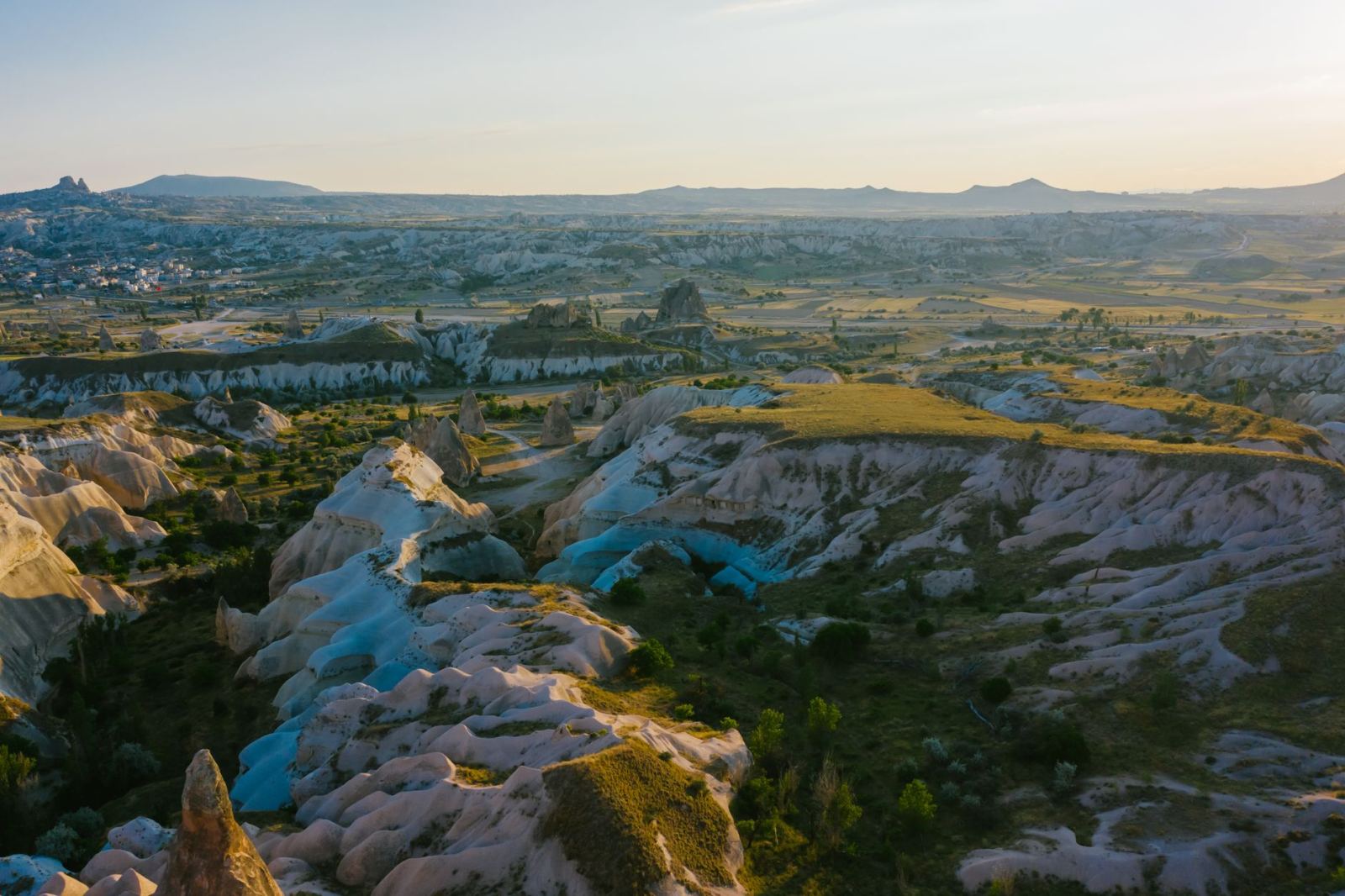
Nevşehir and its surroundings were shaped by millions of years of erosion of ash and lava from Erciyes, Hasandağı and Göllüdağ volcanoes. Soft tuff made both fairy-chimney formations and a culture of carved dwellings possible. The landscape most people mean by “Cappadocia” — balloons over chimneys, valley walls, cave hotels — is experienced largely within Nevşehir and along the nearby Aksaray line (Ihlara).
Altitude and a continental climate bring hot–dry summers and cold–snowy winters. Spring and autumn are the most balanced seasons for hiking, balloon odds and photographic light. For timing, see when to go.
A short history
The region carries layered history from the Hittites through Rome and Byzantium. In the early Christian period, monks and local communities cut churches, monasteries and refuges into the rock. Frescoes at the Göreme Open-Air Museum, the underground cities of Derinkuyu and Kaymaklı, and sites such as Selime and Zelve are the visible face of that heritage.
In Ottoman and Republican times, viticulture, pottery, apricot and grain farming underpinned the local economy. Avanos pottery and Ürgüp-area wine remain part of the visitor experience. Hacıbektaş is an important stop for Bektashi culture.
Districts and tourism axes
- Göreme: Tourism and lodging hub; open-air museum, valleys, balloon launch area.
- Ürgüp: Town life, wine, boutique and cave hotels, Temenni Hill.
- Avanos: Kızılırmak River, pottery, testi kebab, crafts.
- Uçhisar: High castle, panoramas, quieter upscale stays.
- Ortahisar and Mustafapaşa: More authentic, quieter town stays.
- Çavuşin: Old village, churches and valley trailheads.
- Gülşehir, Hacıbektaş, Derinkuyu: Culture and underground-city corridor.
- Nevşehir centre: Provincial hub, bus station, museums, everyday life.
Must-sees
Most first visits complete this triangle: the open-air museum, one underground city (Derinkuyu or Kaymaklı), Uçhisar Castle or another panorama, a valley walk (Pigeon Valley or Red Valley) and, if possible, a balloon flight. With more time, add the Ihlara–Selime line and the Paşabağ–Devrent geology loop.
Nevşehir–Cappadocia today
Today the region is a global destination for hot-air balloons, cave hotels, valley walks and food. It should not be reduced to “just balloons”: underground cities, the Ihlara corridor, vineyards, pottery workshops and rock churches are equally strong. Testi kebab, local wine tastings and breakfast on stone terraces linger as much as the views.
Göreme is often the practical base, while Nevşehir’s bus station and airport links are the logistics gateway. Crowds peak in spring and autumn; summer heat and winter quiet (plus better rates) define the other seasons. The transport guide covers airports and local options in detail.
Keep exploring
- Towns — local character
- Places to visit — museums, castles, underground
- Valleys — hiking and sunsets
- Transport — airports and local travel
- 3-day itinerary — first plan
- FAQ — common questions