
Valley
Kızılçukur Valley
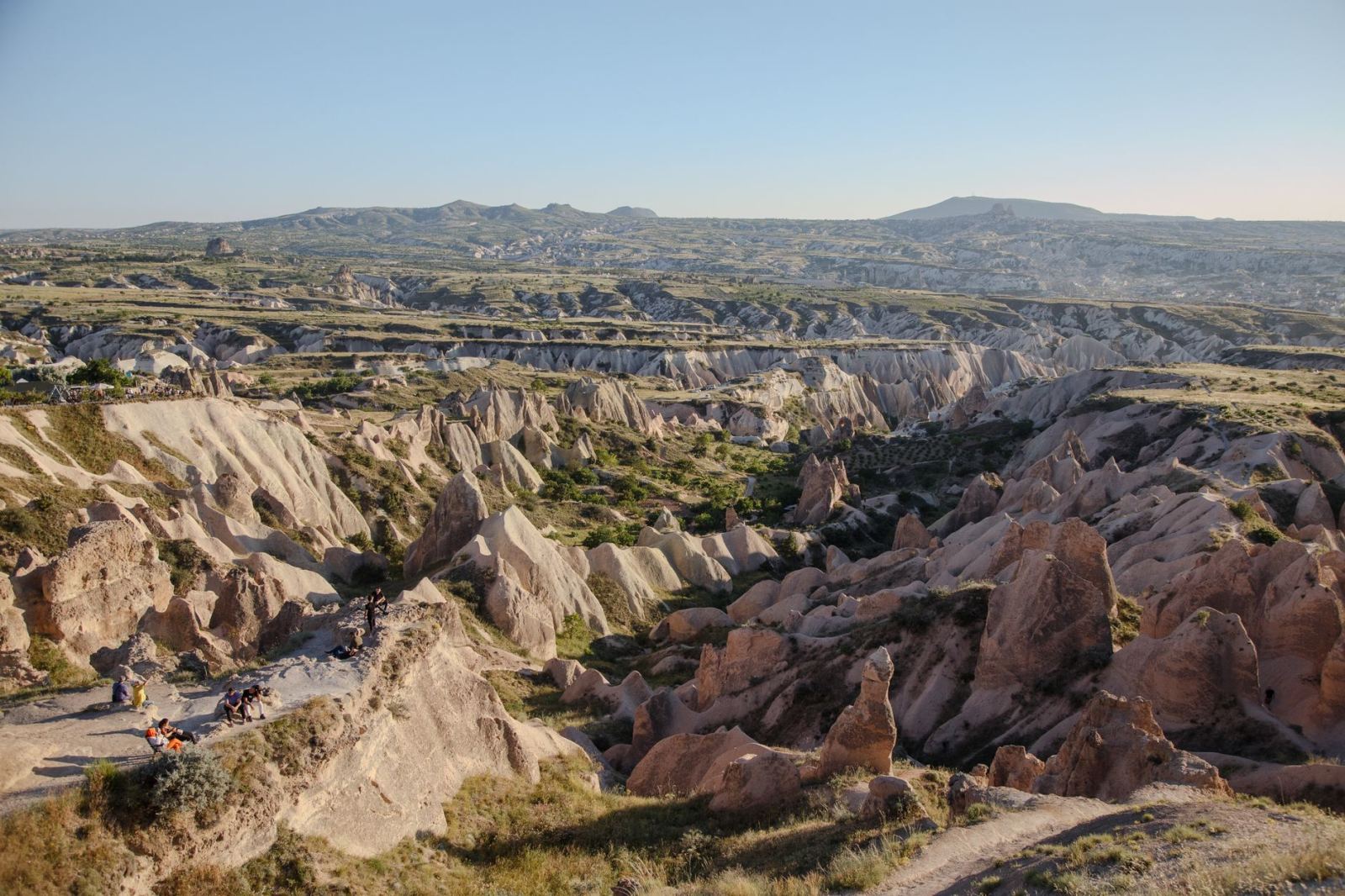
One of the most photographic hiking valleys of Cappadocia, with its red-pink rock layers and legendary sunset.
The magic of the red valley
Kızılçukur Valley is one of the most dramatic sunset locations in Cappadocia, with its red-pink tones of iron oxide rock layers. Watching from viewing points can also be done by going down into the valley. Gulludere It is also possible to walk in connection with the. Church ruins and dovecotes enrich the track.
Duration varies between 1–3 hours. Evening density is high; Arrive early to secure a spot. Plan on a flashlight or phone light as it will be dark on the way back. Çavuşin and access from Göreme is common.
Trail suggestions
- Short cruise: sunset at the top points
- Long walk: Güllüdere–Kızılçukur line
- Water, windbreaker, non-slip shoes
- Side angles away from crowded selfie spots
Photography and security
Golden hour tones burn the rock like flame; blue hour strengthens silhouettes. Those using a tripod should install carefully in permitted areas. Side rails are not available everywhere.
Spring contrast and autumn warmth are the most popular periods. In winter, early sunset and cold wind shorten the plan.
Conclusion
Kızılçukur is the signature scene of the Cappadocia evening; Must experience at least once.
Goreme hiking culture and preparation
Göreme is one of the faces of Cappadocia that can be best understood by walking. There is a gap between looking out of a car window and walking on the valley floor: the smell of the dust, the texture of the dovecotes, the sound of the wind and the warmth of the rock can only be felt with the feet. When choosing a route, consider your distance, sun time, amount of water and return logistics. The "I'll decide when I see it" approach is risky, especially on summer afternoons.
Shoe selection is critical: walking shoes with non-slip soles are always better than open sandals. Refills of socks, a small first aid tape, hat, sunscreen and at least 1–1.5 liters of water per person are a reasonable start. Electrolytes are required in summer, gloves and layered clothing are required in winter. An offline map and a battery that doesn't drop below 50 percent are indispensable for solo hikers.
Signs are not always sufficient in the Cappadocia valleys; local timetable, GPS track or a short guided tour reduces disorientation. Deviating excessively from the path creates the risk of getting lost, encroaching on private gardens and erosion. If you're walking at the same time as the motorized tours, be prepared for dust and noise; If possible, choose the early morning slot. A flashlight is essential for returning darkness in the sunset valleys.
Ecology and visitor ethics
Carry your garbage back, do not disturb the silence of the valley with music speakers, do not write on the rocks. Drone flights are restricted in many areas. Lighting fires and camping without permission are not appropriate in most conservation areas. Keep your distance from animals (dogs, donkeys, wild animals); Feeding can create habits and conflict. Be respectful of people and private property for photography.
Göreme shows different faces depending on the seasons: spring green, summer's long light, autumn's warm tones, winter's simple silhouettes. After the rain, the rocks become slippery like glass; Stay away from narrow passages at risk of flooding. Those with knee and balance problems should prefer short viewing points. With children, the tempo should be low and breaks should be frequent; strollers are not suitable in most valleys.
Stretching, plenty of water and a light meal after the walk will speed up recovery. Listen to leg fatigue before putting on another heavy valley the next day. By diversifying your route with other valley and region pages on the site, you will not reduce Cappadocia to a single “signature square”.
Goreme hiking culture and preparation
Göreme is one of the faces of Cappadocia that can be best understood by walking. There is a gap between looking out of a car window and walking on the valley floor: the smell of the dust, the texture of the dovecotes, the sound of the wind and the warmth of the rock can only be felt with the feet. When choosing a route, consider your distance, sun time, amount of water and return logistics. The "I'll decide when I see it" approach is risky, especially on summer afternoons.
Shoe selection is critical: walking shoes with non-slip soles are always better than open sandals. Refills of socks, a small first aid tape, hat, sunscreen and at least 1–1.5 liters of water per person are a reasonable start. Electrolytes are required in summer, gloves and layered clothing are required in winter. An offline map and a battery that doesn't drop below 50 percent are indispensable for solo hikers.
Signs are not always sufficient in the Cappadocia valleys; local timetable, GPS track or a short guided tour reduces disorientation. Deviating excessively from the path creates the risk of getting lost, encroaching on private gardens and erosion. If you're walking at the same time as the motorized tours, be prepared for dust and noise; If possible, choose the early morning slot. A flashlight is essential for returning darkness in the sunset valleys.
Ecology and visitor ethics
Carry your garbage back, do not disturb the silence of the valley with music speakers, do not write on the rocks. Drone flights are restricted in many areas. Lighting fires and camping without permission are not appropriate in most conservation areas. Keep your distance from animals (dogs, donkeys, wild animals); Feeding can create habits and conflict. Be respectful of people and private property for photography.
Göreme shows different faces depending on the seasons: spring green, summer's long light, autumn's warm tones, winter's simple silhouettes. After the rain, the rocks become slippery like glass; Stay away from narrow passages at risk of flooding. Those with knee and balance problems should prefer short viewing points. With children, the tempo should be low and breaks should be frequent; strollers are not suitable in most valleys.
Stretching, plenty of water and a light meal after the walk will speed up recovery. Listen to leg fatigue before putting on another heavy valley the next day. By diversifying your route with other valley and region pages on the site, you will not reduce Cappadocia to a single “signature square”.
Frequently asked questions and relevant notes
The most curious topics before the visit are time, difficulty, fee and crowd. Since official tariffs and opening hours may change periodically, it is necessary to verify current information on-site or from reliable sources. During peak season (especially May and September–October), being early in the morning at popular spots makes a difference in terms of both photography and comfort. In low season, some small businesses may work short hours; Accordingly, the meal and transfer plan should be flexible.
A layered approach to clothing works in all seasons in Cappadocia: it can be cool in the morning, hot in the afternoon, and windy in the evening. A neck gaiter or thin fleece works well on balloon mornings and high vantage points. Sunglasses are also useful in dusty valleys. Having cash is still an advantage for small businesses and sudden needs; Cards are common in large hotels.
In terms of health, the most common risks are sunstroke in summer and slip-and-fall in winter. Those with chronic diseases should decide on underground tunnels and long stairs based on physician advice. Travel insurance makes sense considering canceled balloon flights and activity accidents. In case of emergency, the 112 line is valid; Have the address of the hotel you are staying at ready on the phone.
Finally, traveling Cappadocia sustainably is in everyone's best interest in the long run: leave little trace, support local producers, follow conservation rules, and choose to actually look rather than just "completing a list." This approach strengthens both your memories and the region.