
Valley
Pigeon Valley
Classic Cappadocia walking valley between Uçhisar and Göreme, accompanied by pigeon lofts and fairy chimneys.
Favorite walking corridor
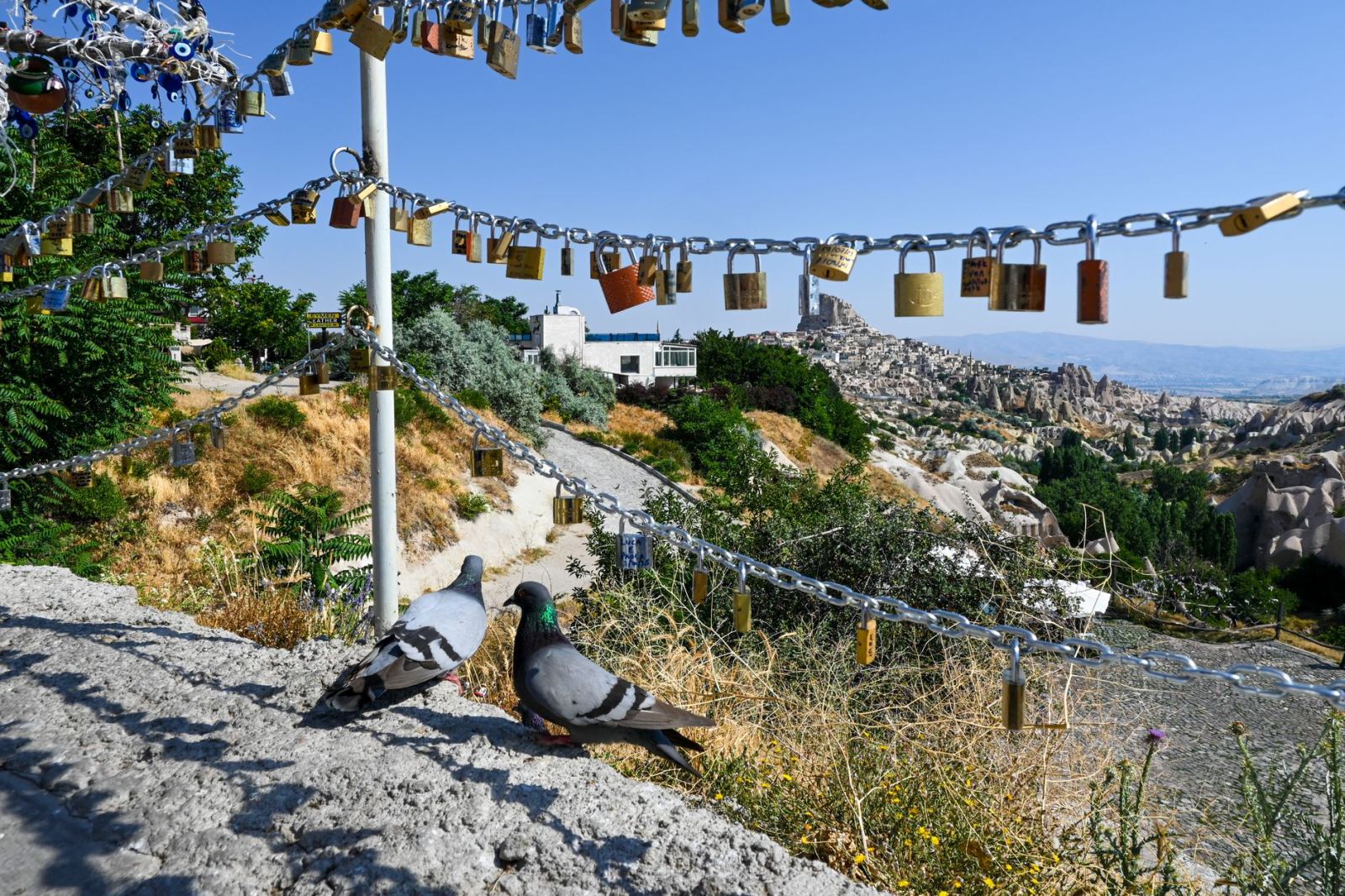
Güvercinlik Valley, stretching between Uçhisar and Göreme, is one of the most classic hiking routes in Cappadocia. The 1-2 hour trail, accompanied by dovecotes, vineyards and fairy chimneys carved into the hillsides, is suitable for both beginners and photographers. The name comes from the historic dovecote cavities used for manure and eggs.
The trail is generally easy to medium difficulty; There are ups and downs and slippery ground in places. In summer, early morning or evening should be preferred. Uchisar Castle It is popular to combine it with a visit: castle view + valley walk fit into the same day.
How can one walk?
- From Uçhisar to Göreme or in the opposite direction
- Water, hat, non-slip shoes
- Set time for sunset
- Do not stray too far from the trail; Do not enter private gardens
nature and culture
Dovecotes are the practical architecture of the agricultural society; dung would nourish the vineyards. Even though it forms an aesthetic texture today, its historical function is worth telling. The silence in the valley is refreshing after the crowds of Göreme centre.
Spring green and autumn golden tones are the most beautiful periods. The risk of ice and mud increases in winter. The rocks are slippery after the rain.
nearby valleys
Kılıçlar It offers a quieter alternative. Spreading the two maturities on separate days maintains the tempo. After the balloon morning, Güvercinlik is the second act of the classic Göreme day.
Güvercinlik Valley hiking culture and preparation
Güvercinlik Valley is one of the faces of Cappadocia best understood by walking. There is a gap between looking out of a car window and walking on the valley floor: the smell of the dust, the texture of the dovecotes, the sound of the wind and the warmth of the rock can only be felt with the feet. When choosing a route, consider your distance, sun time, amount of water and return logistics. The "I'll decide when I see it" approach is risky, especially on summer afternoons.
Shoe selection is critical: walking shoes with non-slip soles are always better than open sandals. Refills of socks, a small first aid tape, hat, sunscreen and at least 1–1.5 liters of water per person are a reasonable start. Electrolytes are required in summer, gloves and layered clothing are required in winter. An offline map and a battery that doesn't drop below 50 percent are indispensable for solo hikers.
Signs are not always sufficient in the Cappadocia valleys; local timetable, GPS track or a short guided tour reduces disorientation. Deviating excessively from the path creates the risk of getting lost, encroaching on private gardens and erosion. If you're walking at the same time as the motorized tours, be prepared for dust and noise; If possible, choose the early morning slot. A flashlight is essential for returning darkness in the sunset valleys.
Ecology and visitor ethics
Carry your garbage back, do not disturb the silence of the valley with music speakers, do not write on the rocks. Drone flights are restricted in many areas. Lighting fires and camping without permission are not appropriate in most conservation areas. Keep your distance from animals (dogs, donkeys, wild animals); Feeding can create habits and conflict. Be respectful of people and private property for photography.
Güvercinlik Valley shows different faces depending on the seasons: spring green, summer's long light, autumn's warm tones, winter's plain silhouettes. After the rain, the rocks become slippery like glass; Stay away from narrow passages at risk of flooding. Those with knee and balance problems should prefer short viewing points. With children, the tempo should be low and breaks should be frequent; strollers are not suitable in most valleys.
Stretching, plenty of water and a light meal after the walk will speed up recovery. Listen to leg fatigue before putting on another heavy valley the next day. By diversifying your route with other valley and region pages on the site, you will not reduce Cappadocia to a single “signature square”.
Güvercinlik Valley hiking culture and preparation
Güvercinlik Valley is one of the faces of Cappadocia best understood by walking. There is a gap between looking out of a car window and walking on the valley floor: the smell of the dust, the texture of the dovecotes, the sound of the wind and the warmth of the rock can only be felt with the feet. When choosing a route, consider your distance, sun time, amount of water and return logistics. The "I'll decide when I see it" approach is risky, especially on summer afternoons.
Shoe selection is critical: walking shoes with non-slip soles are always better than open sandals. Refills of socks, a small first aid tape, hat, sunscreen and at least 1–1.5 liters of water per person are a reasonable start. Electrolytes are required in summer, gloves and layered clothing are required in winter. An offline map and a battery that doesn't drop below 50 percent are indispensable for solo hikers.
Signs are not always sufficient in the Cappadocia valleys; local timetable, GPS track or a short guided tour reduces disorientation. Deviating excessively from the path creates the risk of getting lost, encroaching on private gardens and erosion. If you're walking at the same time as the motorized tours, be prepared for dust and noise; If possible, choose the early morning slot. A flashlight is essential for returning darkness in the sunset valleys.
Ecology and visitor ethics
Carry your garbage back, do not disturb the silence of the valley with music speakers, do not write on the rocks. Drone flights are restricted in many areas. Lighting fires and camping without permission are not appropriate in most conservation areas. Keep your distance from animals (dogs, donkeys, wild animals); Feeding can create habits and conflict. Be respectful of people and private property for photography.
Güvercinlik Valley shows different faces depending on the seasons: spring green, summer's long light, autumn's warm tones, winter's plain silhouettes. After the rain, the rocks become slippery like glass; Stay away from narrow passages at risk of flooding. Those with knee and balance problems should prefer short viewing points. With children, the tempo should be low and breaks should be frequent; strollers are not suitable in most valleys.
Stretching, plenty of water and a light meal after the walk will speed up recovery. Listen to leg fatigue before putting on another heavy valley the next day. By diversifying your route with other valley and region pages on the site, you will not reduce Cappadocia to a single “signature square”.